Previous Story
$74 million going back to coal-producing communities, including Whitley and Knox
“It’s good to see these coal revenues increasing,” said Whitley County Judge Executive Pat White, Jr. after learning about the county’s incoming allotment of coal severance funds totaling $765,700. “I am excited that the legislature and the governor has decided to give this money back to all of the coal producing counties.”
In a press release sent out last week, Gov. Andy Beshear’s office announced that a total of $74 million in coal severance tax funds would be distributed among a total of 29 coal-producing communities, including in Whitley and Knox counties.
The press release said that this marks the most money that has been allocated to these communities in 10 years, adding, “This year’s funds nearly double the $37,558,202 amount from 2022.”
As previously mentioned, Whitley County will receive $765,700 of the coal severance funds, while Knox County will receive $928,196. Bell County, meanwhile, will receive $2.7 million.
Other counties receiving funds include Boyd, Breathitt, Clay, Daviess, Elliott, Floyd, Harlan, Henderson, Hopkins, Johnson, Knott, Lawrence, Leslie, Letcher, Magoffin, Martin, McLean, Menifee, Morgan, Muhlenberg, Ohio, Owsley, Perry, Pike and Webster.
Union County will receive the most funds with a total of $13.8 million.
“I am proud to keep Kentucky’s coal severance money in our coal-producing counties and towns,” said Gov. Beshear. “These communities fueled this country through two world wars, and they deserve our continued support. Just think about the counties hit by flooding and tornadoes and the needs they have right now. These are important dollars that will help these communities thrive.”
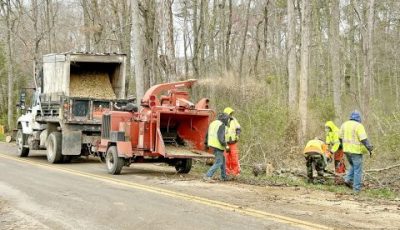
White said that Whitley County’s coal severance tax dollars will be used to help pay for various projects, such as purchasing new equipment and making repairs to roads.
The funding comes from Kentucky’s two coal severance programs, which are funded by state taxes paid by Kentucky coal mining companies. After reserving funding for bond payments for past coal county projects and processing administrative fees, the remaining tax revenues are shared exclusively with coal-producing counties.